← Back to Blog
Couscous in Healthy Diets: Nutrition, Benefits & Balanced Meal Planning

Couscous in Healthy Diets: Nutrition, Benefits & Balanced Meal Planning

Discover how couscous fits into modern healthy eating plans with complete nutrition facts, health benefits, and practical tips for incorporating it into your balanced diet.

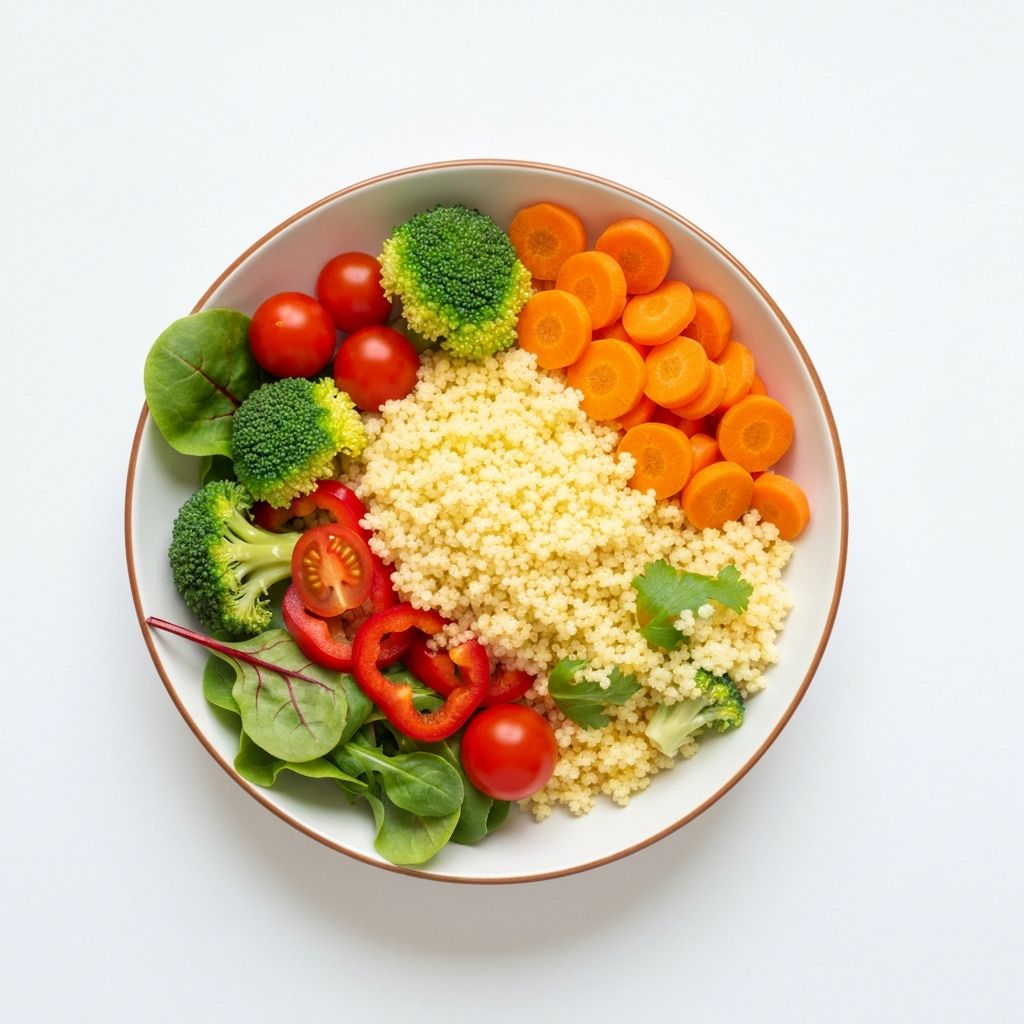
## Couscous in Healthy Diets: Nutrition, Benefits & Balanced Meal Planning Couscous has emerged as a nutritional powerhouse in contemporary healthy eating, offering a unique combination of convenience, versatility, and genuine health benefits. Whether you're focused on weight management, athletic performance, or simply maintaining a balanced lifestyle, couscous provides a nutrient-dense foundation for countless healthy meal options. ### Nutritional Profile of Moroccan Couscous Couscous is fundamentally a whole grain product made from durum wheat semolina. Understanding its nutritional composition helps explain why nutritionists and health-conscious cooks have embraced it as a dietary staple. **Per 1 cup (173g) cooked couscous:** - Calories: 176 - Protein: 6 grams - Carbohydrates: 36 grams - Fiber: 2.2 grams - Fat: 0.3 grams (minimal) - Sodium: 8 milligrams (very low) - Rich in: B vitamins (thiamine, niacin, folate), manganese, selenium, phosphorus What makes these numbers particularly impressive is couscous's low glycemic index relative to other refined grain products. When paired with protein and fiber-rich vegetables—a traditional Moroccan preparation method—couscous becomes an exceptional choice for stable blood sugar and sustained energy. ### Key Health Benefits **1. Complete Protein When Paired with Legumes** While couscous alone contains protein, it's not a complete protein on its own. However, when combined with chickpeas, lentils, or beans—a cornerstone of traditional Moroccan cuisine—it provides all nine essential amino acids. This combination makes couscous bowls with chickpeas an excellent vegetarian or vegan protein source that rivals meat-based meals in nutritional completeness. **2. Exceptional Fiber Content for Digestive Health** Whole wheat couscous varieties provide significant dietary fiber, supporting healthy digestion, regular bowel function, and beneficial gut bacteria growth. The fiber content also contributes to prolonged satiety, making couscous helpful for those managing their weight. A single serving of couscous can provide 10-15% of your daily fiber needs, especially when using whole grain varieties. **3. Rapid Absorption and Energy Efficiency** The semolina structure of couscous allows for quick digestion and efficient nutrient absorption. This makes it ideal for pre-workout meals, post-exercise recovery, and maintaining steady energy throughout the day. Athletes appreciate couscous for its role in glycogen replenishment without the heaviness of some other grain options. **4. Heart-Healthy and Weight-Management Friendly** With virtually no saturated fat and minimal sodium, couscous supports cardiovascular health. Its low caloric density combined with high satiety value makes it valuable for weight management—you feel fuller longer on reasonable portions. The mineral content, particularly manganese and selenium, contributes to metabolic function and antioxidant protection. **5. Gluten Content Considerations** It's important to note that traditional couscous contains gluten, making it unsuitable for celiac disease or gluten sensitivity. However, this is actually beneficial for non-sensitive populations, as gluten helps couscous maintain its texture and makes it easier to digest than gluten-free alternatives for most people. ### Integrating Couscous into Healthy Eating Plans **For Weight Management:** Couscous fits beautifully into calorie-conscious eating plans. A standard serving (1/2 cup cooked) provides roughly 88 calories—equivalent to most whole grains but more satisfying due to its texture and quick absorption. The key is portion control and pairing with plenty of vegetables and lean proteins. A typical healthy couscous bowl might contain: - 1/2 cup couscous (88 calories) - 3-4 cups roasted vegetables (60-80 calories) - 3-4 oz grilled chicken or 1/2 cup chickpeas (100-150 calories) - 1 tablespoon tahini or olive oil (90-120 calories) Total: 350-450 balanced, nutritious calories. **For Muscle Building and Athletic Performance:** Athletes benefit from couscous's combination of quickly-absorbed carbohydrates and plant-based protein. Post-workout, a couscous dish with grilled fish or lean meat, combined with vitamin C-rich vegetables (which enhance protein absorption), creates an optimal recovery meal. The B vitamins support energy metabolism, while selenium aids muscle function. **For Blood Sugar Management:** Diabetics and pre-diabetics have found couscous manageable when prepared traditionally with vegetables and legumes. The fiber, protein, and fat from accompanying dishes slow carbohydrate absorption. Always pair couscous with: - Vegetable-based broths (instead of water) - Legumes for complete protein - Healthy fats from nuts, seeds, or olive oil - Plenty of non-starchy vegetables This traditional Moroccan approach to couscous preparation is actually an ideal diabetic-friendly meal structure. **For Cardiovascular Health:** The combination of low sodium, zero cholesterol, minimal saturated fat, and mineral content makes couscous heart-healthy. Mediterranean and Moroccan couscous preparations—abundant in vegetables, olive oil, and legumes—align perfectly with heart-healthy dietary recommendations. Studies on Mediterranean diets (which heavily feature couscous in North African regions) demonstrate significant cardiovascular benefits. **For Digestive Wellness:** Whole wheat couscous, prepared with vegetable broth and served with high-fiber vegetables, supports optimal gut health. The resistant starch that forms as couscous cools makes refrigerated couscous dishes particularly beneficial for gut bacteria, similar to the benefits of cooled rice or potatoes. ### Practical Healthy Couscous Recipes **Mediterranean Veggie Couscous Bowl:** 1/2 cup couscous with vegetable broth, roasted zucchini, cherry tomatoes, cucumbers, olives, feta cheese, and a lemon-olive oil dressing. High in vegetables, healthy fats, and minerals. **Protein-Packed Legume Couscous:** 1/2 cup couscous combined with 1/2 cup cooked lentils or chickpeas, steamed broccoli, roasted sweet potato, and tahini sauce. Complete protein, high fiber, sustained energy. **Grilled Fish & Couscous:** 1/2 cup couscous with herb-infused broth, grilled salmon, roasted Brussels sprouts, red peppers, and fresh herbs. Omega-3s, lean protein, micronutrients for heart and brain health. **Rainbow Vegetable Couscous:** 1/2 cup whole wheat couscous with an array of colorful vegetables—carrots, beets, bell peppers, green beans, and leafy greens. Maximum micronutrient density and antioxidant protection. ### Practical Tips for Healthy Couscous Preparation **1. Choose Whole Wheat Varieties When Possible** Whole wheat couscous retains the bran and germ, providing significantly more fiber and nutrients than refined white couscous. While white couscous isn't unhealthy, whole wheat offers superior nutritional density. **2. Use Vegetable Broth Instead of Water** Preparing couscous with low-sodium vegetable broth instead of water adds flavor and micro-nutrients without added calories. This simple swap transforms a bland base into a flavorful foundation. **3. Embrace the 2:1 Vegetable-to-Couscous Ratio** Traditional Moroccan couscous dishes feature abundant vegetables, not just a sprinkle. Aim for equal or greater volume of vegetables to couscous. This maximizes nutrient intake, fiber, and satiety while controlling couscous portions. **4. Add Protein Deliberately** Ensure every couscous meal includes significant protein: legumes, fish, poultry, meat, or dairy. This transforms couscous from a simple carbohydrate into a complete, balanced meal that maintains stable blood sugar and energy. **5. Don't Fear Healthy Fats** Include modest amounts of healthy fats: olive oil, nuts, seeds, or tahini. These enhance nutrient absorption (especially fat-soluble vitamins), extend satiety, and improve flavor without excessive calories. **6. Prep Ahead for Convenience** Cooled couscous prepared in advance makes healthy eating convenient. Prepare couscous bowls at the beginning of the week for grab-and-go lunches that ensure consistent nutrition throughout your week. ### Couscous Compared to Other Grains How does couscous stack up nutritionally to alternatives? **vs. White Rice:** Couscous has more protein (6g vs. 4g per cup) and similar carbohydrates. Whole wheat couscous significantly exceeds brown rice in fiber density. **vs. Pasta:** Couscous contains more protein and cooks significantly faster, making it more convenient. Pasta typically has similar nutritional profiles but requires longer cooking. **vs. Quinoa:** Quinoa is slightly higher in protein and contains more fiber, but couscous is more affordable, more versatile, and has a lighter texture. Both are excellent choices. **vs. Brown Rice:** Similar nutritional profiles, but couscous cooks in minutes rather than 45 minutes, making it more practical for busy schedules. ### Conclusion: Couscous as a Health-Supporting Staple Moroccan couscous represents a bridge between traditional, time-tested nutrition and modern healthy eating goals. Its nutrient density, versatility, quick preparation, and natural compatibility with vegetable-based meals make it an ideal foundation for health-conscious cooking. Whether your health goals involve weight management, athletic performance, disease prevention, or simply eating better, couscous deserves a regular place in your rotation of healthy staples. By embracing traditional Moroccan preparation methods—abundant vegetables, legumes, and modest portions—you gain both nutritional benefits and culinary enjoyment. Start exploring couscous's role in your healthy diet today. Your taste buds and your body will thank you.

Discover authentic Moroccan couscous at Kenzadi.com

More Articles