Moroccan Couscous in Modern Cuisine: From Fine Dining to Everyday Innovation
Moroccan couscous has undergone a remarkable transformation in recent years, becoming a staple on contemporary menus from Michelin-starred restaurants to casual cafes around the world. While this ancient grain remains deeply rooted in North African tradition, innovative chefs and health-conscious cooks are discovering its remarkable versatility in modern cuisine.
The Contemporary Couscous Revolution
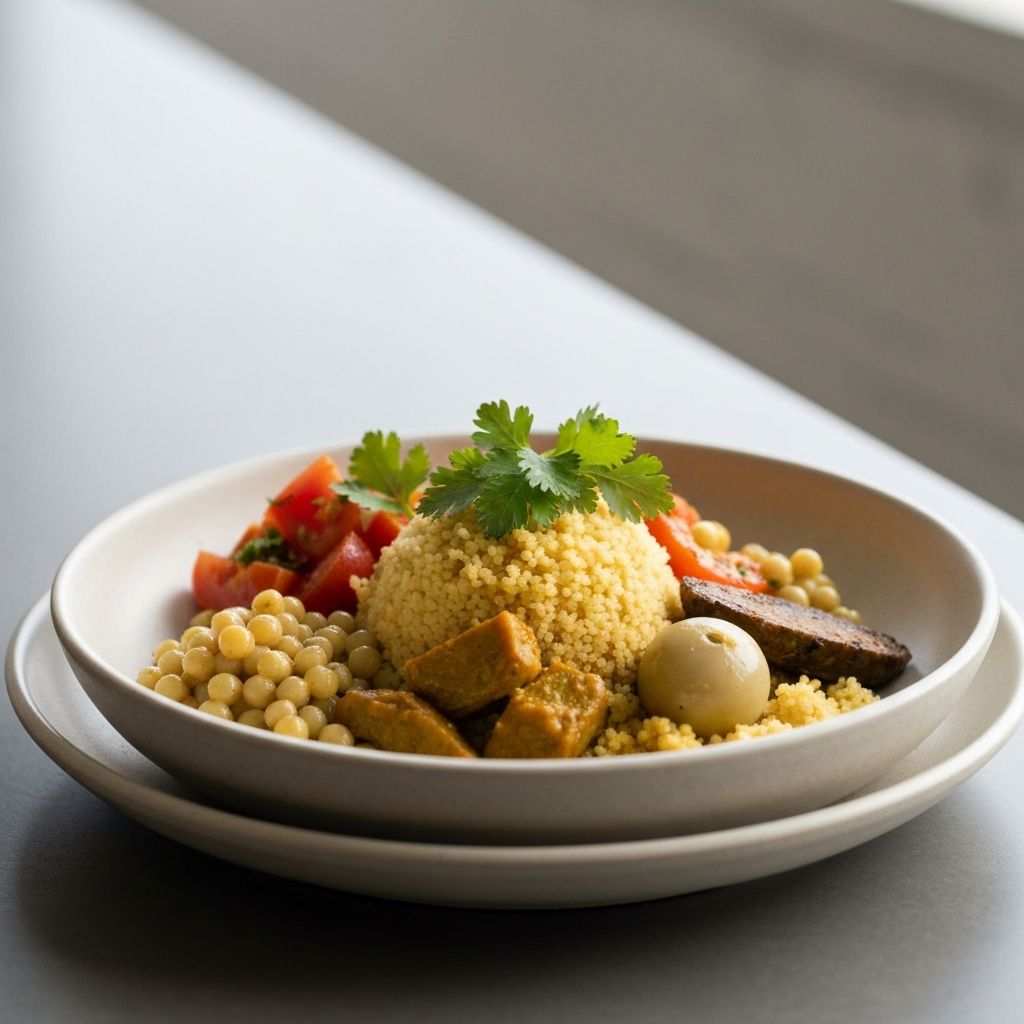
Chefs in major culinary centers like New York, London, Paris, and Los Angeles are reinterpreting couscous through a modern lens. Rather than abandoning its heritage, they're amplifying it—combining traditional preparation methods with unexpected ingredient pairings and contemporary plating techniques. Fine dining establishments now feature couscous in tasting menus alongside truffle oil, saffron-infused broths, and micro-greens, proving that this humble grain can hold its own alongside the world's most sophisticated culinary creations.
The appeal is multifaceted. Couscous cooks quickly, making it ideal for busy modern kitchens. Its neutral flavor profile serves as a canvas for bold spice combinations from any cuisine. Its light texture contrasts beautifully with rich proteins and vibrant vegetables. Nutritionally, it offers complete protein when paired with legumes, making it attractive to health-conscious diners seeking alternatives to rice and pasta.
Global Fusion and the Modern Couscous Bowl
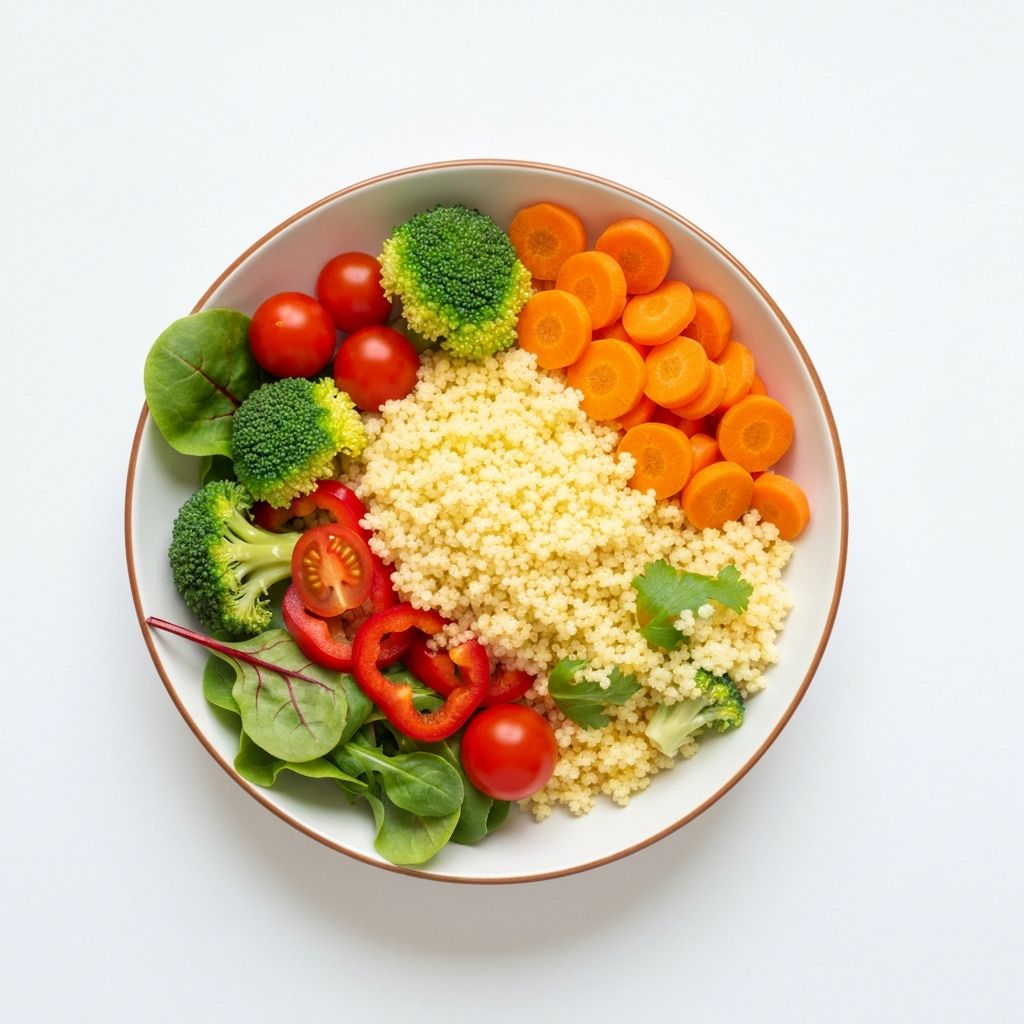
One of the most visible trends in contemporary cuisine is the rise of the couscous bowl—a modern adaptation that echoes traditional plating while embracing global influences. These bowls layer fluffy couscous with ingredients from around the world: roasted Mediterranean vegetables, Asian-inspired miso-glazed proteins, Middle Eastern hummus and tahini, Latin American avocado and cilantro, and African peanut-based sauces.
This approach respects couscous's cultural origins while celebrating culinary innovation. A chef might steam couscous with vegetable broth infused with ginger and turmeric, then top it with pan-seared duck breast, crispy shallots, and a soy-lime glaze. Another might create a couscous salad with quinoa, roasted beets, feta cheese, and pomegranate—honoring the grain's place in Mediterranean cuisine while introducing elements that appeal to contemporary palates.
Health-Forward Applications
The modern wellness movement has embraced couscous as a nutritious grain alternative. Nutritionists and wellness influencers highlight its benefits: it's gluten-free when sourced from chickpea or other legume bases, provides B vitamins and minerals, and offers sustained energy release. Whole wheat couscous varieties, once relegated to health food stores, now appear in upscale restaurants and meal-prep services.
Contrary to perceptions of it being a heavy traditional food, modern chefs present couscous as light and refreshing. Summer couscous salads with fresh herbs, citrus dressings, and seasonal vegetables have become summer staples in contemporary cooking. Cold couscous preparations—tabbouleh-inspired bowls with fresh mint, parsley, and lemon—offer refreshing alternatives to heavier grain salads.
Technological Innovation in Couscous Cuisine
Modern cooking techniques are also transforming how couscous is prepared and presented. Sous-vide cooking allows for precise control of couscous texture and infusion of flavors. Molecular gastronomy techniques have created couscous spheres and air preparations that surprise diners. Food labs experiment with couscous in unexpected forms—as couscous flour for modern breads, as a component in plant-based meat alternatives, or as a textural element in desserts paired with fruit compotes and spiced creams.
Where Tradition Meets Innovation
The most successful modern applications of Moroccan couscous honor both its heritage and contemporary culinary values. A celebrated Paris restaurant prepares traditional couscous royale using premium Moroccan grain and classic seven-vegetable preparations, but plates it with refined presentation and serves it alongside modern wine pairings. A New York food truck blends traditional Moroccan spice blends with locally sourced, organic vegetables, creating dishes that are simultaneously authentic and innovative.
Home cooks, too, are embracing this balance. A busy parent steams couscous in 10 minutes, tops it with quick-cooked vegetables and store-bought tagine sauce, creating a weeknight meal that honors culinary tradition without consuming hours of preparation time. A health enthusiast combines whole wheat couscous with ancient grains, nuts, and seasonal produce for a nutrient-dense meal that feels both traditional and contemporary.
The Future of Couscous in Modern Kitchens
As global cuisines continue to blend and as consumers seek both nutritious and flavorful foods, couscous is positioned to play an increasingly important role in modern cooking. Its sustainability profile—requiring minimal water and resources compared to rice or other grains—appeals to environmentally conscious diners. Its cultural significance and rich history give it narrative depth that resonates in an age of food storytelling.
Restaurants are likely to continue featuring couscous not as a nostalgic nod to tradition but as a contemporary grain worthy of creative interpretation. Home kitchens will continue to discover its practical benefits and flavor versatility. The challenge for traditional Moroccan couscous producers like Kenzadi is to supply this growing demand while maintaining the quality, authenticity, and cultural integrity that make Moroccan couscous distinctive.
The intersection of tradition and innovation is where Moroccan couscous thrives in modern cuisine. It's not becoming something other than what it has always been—a nutritious, versatile grain at the heart of North African culture. Rather, it's being rediscovered by new generations of cooks and diners who recognize its value in their contemporary lives. Whether served at a Michelin-starred table or a casual weeknight dinner, authentic Moroccan couscous continues to nourish both body and soul, proving that some traditions deserve to evolve and flourish in any culinary era.