Moroccan Tagine Cooking Techniques: Traditional Methods & Expert Guide
## Moroccan Tagine Cooking Techniques: Traditional Methods & Expert Guide
The tagine represents one of Morocco's most iconic cooking vessels and techniques, combining slow-cooking methodology with aromatic spices to create dishes of extraordinary depth and flavor. This comprehensive guide teaches you traditional Moroccan tagine cooking techniques that transform simple ingredients into culinary masterpieces.
### Understanding the Moroccan Tagine
**What Is a Tagine?**
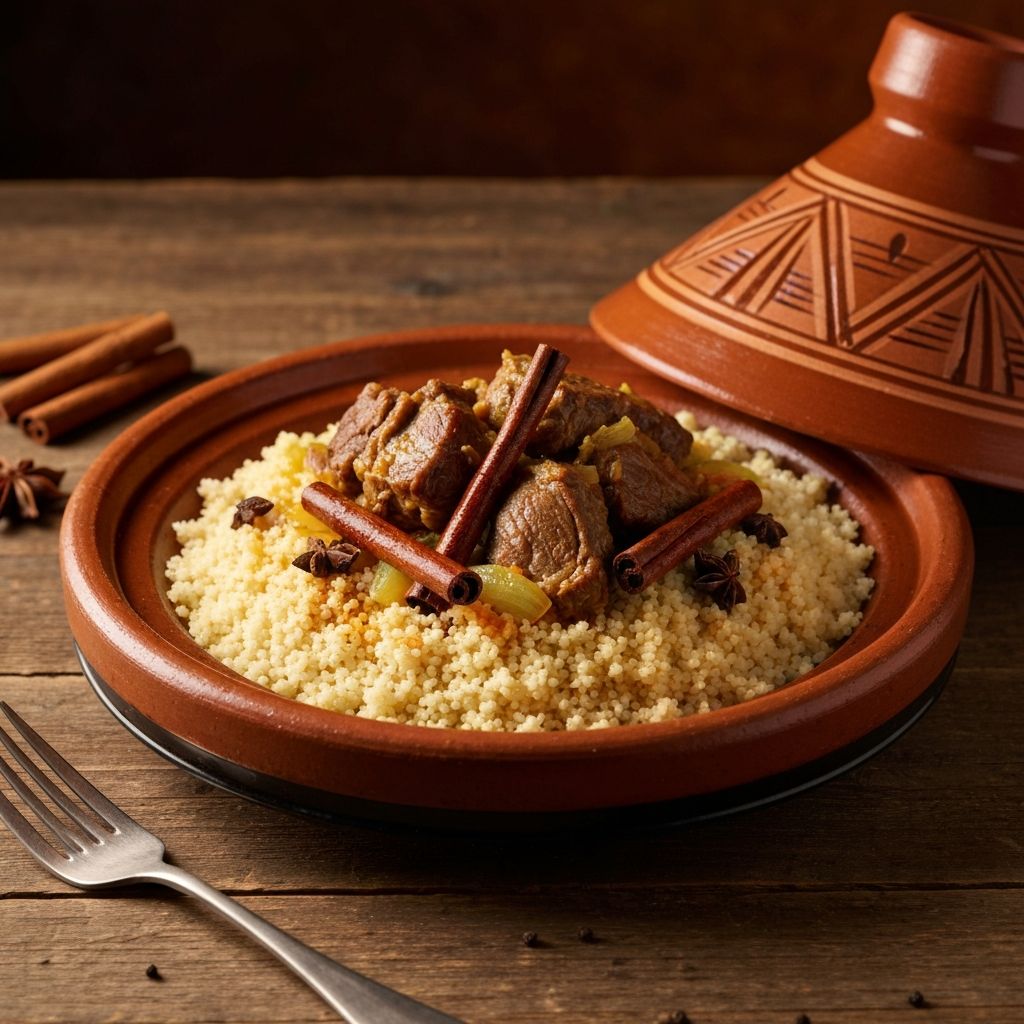
A tagine is simultaneously a cooking vessel and a cooking method. The traditional earthenware pot features a distinctive conical lid that creates a unique cooking environment—steam rises, condenses on the lid, and returns to the base, creating naturally moist, tender results.
**Why Tagine Cooking Matters:**
- Slow-cooking develops complex flavors impossible with quick methods
- Moisture circulation ensures tender ingredients without drying
- Earthenware conducts heat gently and evenly
- Traditional method honors Moroccan culinary heritage
- Creates restaurant-quality results at home
### Essential Tagine Equipment
**Traditional Tagine Pots**
**Earthenware Tagines:**
- Authentic North African clay construction
- Ideal for traditional cooking methods
- Requires seasoning before first use
- Cannot be used on modern stovetops (requires diffuser)
- Perfect for oven cooking
- Develops better seasoning and flavor over time
**Glazed Ceramic Tagines:**
- Modern adaptation of traditional design
- Food-safe glazing suitable for stovetop use
- More durable than unglazed earthenware
- Better heat distribution
- Easier cleanup and maintenance
- Excellent for home cooks transitioning from conventional cookware
**Cast Iron Tagines:**
- Modern Western adaptation
- Direct stovetop compatibility
- Excellent heat retention
- More durable than ceramic
- Superior to traditional for home cooking
- Easier temperature control
**Selecting Your First Tagine:**
- Size: 2-3 quart for 4 servings (typical family)
- Material: Ceramic glazed best for home cooking
- Brand: Authentic Moroccan producers recommended
- Budget: Quality tagines $30-80 commonly available
- Consider: Stovetop vs. oven-only use cases
**Stovetop Diffuser Requirement**
Traditional earthenware tagines cannot tolerate direct stovetop heat. Use a diffuser—a heat distribution device that sits between stove and pot—to protect your investment and ensure even cooking.
### Traditional Moroccan Tagine Cooking Techniques
**Technique 1: The Layering Method**
**Purpose:** Builds flavor through strategic ingredient layering
**Process:**
1. **Base Layer:** Onions sautéed in oil create flavor foundation
2. **Protein Layer:** Meat (lamb, chicken, beef) or vegetables layered over onions
3. **Spice Layer:** Ground spices sprinkled over protein
4. **Flavor Layer:** Preserved lemon, olives, or dried fruit add complexity
5. **Liquid Layer:** Broth, water, or combination provides moisture
6. **Aromatic Finishes:** Fresh herbs added near end or for garnish
**Temperature:** Low-medium heat throughout cooking
**Duration:** 1-3 hours depending on protein toughness
**Result:** Ingredients remain distinct yet flavors meld completely
**Technique 2: The Braising Method**
**Purpose:** Develops rich, concentrated sauce through slow braising
**Process:**
1. Sear protein in hot oil to develop crust
2. Add aromatics (onions, garlic) to meat drippings
3. Deglaze with liquid, scraping browned bits
4. Return meat to tagine with liquid
5. Add remaining ingredients
6. Cover and braise at low temperature
**Temperature:** Low oven heat (300-325°F) or low stovetop
**Duration:** 2-4 hours for tough cuts
**Result:** Extremely tender meat with deeply concentrated flavors
**Technique 3: The Dry Cooking Method**
**Purpose:** Concentrates spice flavors and develops crust
**Process:**
1. Toast whole spices in dry tagine over low heat
2. Grind toasted spices into powder
3. Rub on meat, creating spice crust
4. Add meat to oil-coated tagine
5. Brown thoroughly but don't rush
6. Add liquid and remaining ingredients
**Temperature:** Medium-high for spice toasting, medium for braising
**Duration:** 15 minutes toasting, 1-3 hours braising
**Result:** Intensely aromatic dishes with complex spice layers
### Essential Moroccan Tagine Spices & Aromatics
**Core Spice Blend (Ras el Hanout Foundation):**
- Cumin (warm, nutty)
- Cinnamon (sweet warmth)
- Ginger (fresh bite)
- Paprika (smoky depth)
- Turmeric (earthy, golden)
- Coriander (citrusy notes)
- Cloves (warming, slightly peppery)
- Saffron threads (luxury, floral—optional)
**Fresh Aromatics:**
- Garlic (minced or whole cloves)
- Ginger (fresh-grated or sliced)
- Onions (essential base layer)
- Fresh cilantro (garnish)
- Fresh mint (garnish)
- Preserved lemon (traditional)
**Proteins & Vegetables:**
- Lamb (traditional choice)
- Chicken (lighter alternative)
- Beef (heartier option)
- Chickpeas (vegetarian protein)
- Root vegetables (carrots, parsnips, potatoes)
- Dried fruit (apricots, prunes, dates—adds sweetness)
### Serving Your Moroccan Tagine
**The Perfect Tagine Presentation**
**Traditional Service:**
1. Mound [premium couscous like Dari](https://www.buycouscous.com/blog/dari-moroccan-couscous) on large serving platter
2. Create well in center of couscous
3. Pour tagine and sauce into well
4. Arrange meat and vegetables attractively
5. Garnish with fresh cilantro and mint
6. Serve family-style for communal dining
**Plating for Entertaining:**
1. Center individual couscous mound on plate
2. Arrange tagine ingredients around couscous
3. Drizzle sauce artfully
4. Garnish with herb sprigs
5. Serve immediately while hot
**Beverages:**
- Mint tea (traditional accompaniment)
- Red wine (pairs beautifully)
- Orange juice (refreshing contrast)
### Classic Moroccan Tagine Recipes
**Lamb Tagine with Apricots & Almonds**
- Tender lamb slow-cooked with dried apricots
- Spiced with cinnamon and ginger
- Topped with toasted almonds
- Served over [Dari couscous](https://www.buycouscous.com)
**Chicken Tagine with Preserved Lemon & Olives**
- Tender chicken breast in savory sauce
- Preserved lemon adds salty-sour complexity
- Kalamata olives provide briny depth
- Traditional combination honored in Moroccan cuisine
**Vegetable Tagine with Chickpeas**
- Seven vegetables slow-cooked with chickpeas
- Rich spice blend provides depth
- Completely vegetarian yet satisfying
- Ideal for dietary restrictions
- [Featured in our recipe collection](https://www.buycouscous.com/featured-recipes)
### Frequently Asked Questions
**Q: What's the best protein for tagine cooking?**
A: Lamb is traditional and ideal—its rich flavor and natural fat withstand long cooking. Chicken (boneless, skin-on breast) is lighter but also excellent. Beef requires longer cooking (3-4 hours) but yields deeply tender results.
**Q: Can I cook tagine in a regular pot?**
A: Yes. Use a heavy Dutch oven or covered pot. Results won't be identical (lack of conical lid circulation), but braising technique produces similar flavors and tenderness.
**Q: How long should tagine cook?**
A: Chicken: 45-60 minutes. Lamb: 1.5-2.5 hours. Beef: 3-4 hours. Vegetables: 30-45 minutes. Always test with fork—meat should shred easily when ready.
**Q: Should I cover the tagine during cooking?**
A: Yes, always. The lid is essential to proper tagine cooking—it creates the moisture circulation that defines the technique.
**Q: Can I prepare tagine ahead?**
A: Absolutely. Tagines often taste better the next day as flavors develop further. Refrigerate after cooling, then reheat gently before serving.
**Q: What couscous pairs best with tagine?**
A: [Dari couscous](https://www.buycouscous.com/blog/dari-moroccan-couscous) medium-grain is ideal—its balanced texture complements tagine sauce perfectly. [Kenz](https://www.buycouscous.com) offers value, while [Tria](https://www.buycouscous.com) provides premium elegance for entertaining.
**Q: How do I season a new tagine properly?**
A: For earthenware: Rub inside with oil, bake at 350°F for 1 hour. Let cool naturally. Repeat 3-4 times before first cooking to seal the clay.
**Q: Can I use modern tagines on stovetop directly?**
A: Glazed ceramic tagines can withstand direct heat. Always use low-medium heat and a diffuser for earthenware to prevent cracking.
**Q: What vegetables work well in tagine?**
A: Carrots, parsnips, potatoes, sweet potatoes, zucchini, eggplant, bell peppers, squash, tomatoes. Add delicate vegetables (zucchini, tomatoes) near end to prevent over-softening.
### Tips for Tagine Cooking Success
**Moisture Management:**
- Start with adequate liquid (1-2 cups typically)
- Monitor liquid level—add if evaporating too quickly
- Avoid excess liquid that creates soup rather than sauce
- Final sauce should coat ingredients, not pool
**Spice Development:**
- Toast whole spices briefly before grinding for intense flavor
- Add ground spices early to develop deep notes
- Fresh herbs added late preserve bright, fresh characteristics
- Taste and adjust seasoning 30 minutes before serving
**Temperature Control:**
- Low heat essential—boiling toughens rather than tenderizes
- Gentle simmer produces better results than aggressive boil
- Oven cooking provides more consistent temperature than stovetop
- Use oven thermometer to verify actual temperature
**Timing Optimization:**
- Prep vegetables while meat develops flavor in initial cooking
- Add quick-cooking vegetables in final 20-30 minutes
- Hardy vegetables go in early; delicate vegetables near end
- Plan timing so everything finishes simultaneously
### Why Moroccan Tagine Technique Matters
**Cultural Heritage:** Tagine cooking preserves centuries of Moroccan culinary tradition
**Flavor Development:** Slow, moist cooking develops flavors impossible with other methods
**Nutrition:** Retains vitamins and minerals superior to high-heat cooking
**Versatility:** Works with any protein or vegetable combination
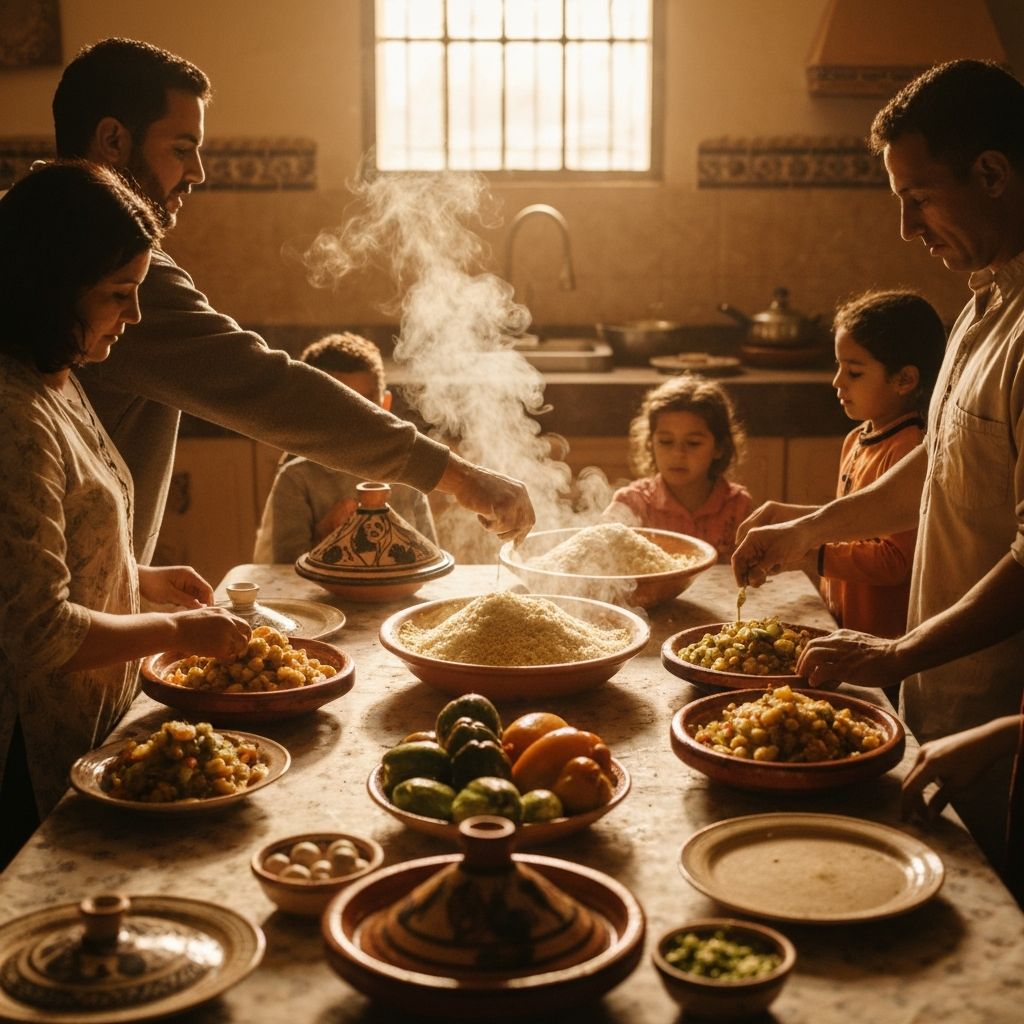
**Family Connection:** Traditional method honored in Moroccan family gatherings
---
## Learn More & Get Started
**Related Guides:**
- [Dari Couscous Perfect Pairing](https://www.buycouscous.com/blog/dari-moroccan-couscous)
- [Complete Brand Comparison](https://www.buycouscous.com/blog/best-moroccan-couscous-brand-authentic)
- [Featured Moroccan Recipes](https://www.buycouscous.com/featured-recipes)
- [Seven Vegetable Couscous Recipe](https://www.buycouscous.com/recipes)
- [Moroccan Grocery Shopping Guide](https://www.buycouscous.com/blog/moroccan-grocery-online-us)
**Shop for Success:**
- [Browse Premium Couscous at BuyCouscous.com](https://www.buycouscous.com)
- [Order Dari Couscous](https://www.buycouscous.com)
- [FAQ: How to Buy Authentic Couscous](https://www.buycouscous.com/blog/buy-authentic-moroccan-couscous-online)
- [Return to Homepage](https://www.buycouscous.com)
### Conclusion
Moroccan tagine cooking techniques transform humble ingredients into extraordinary dishes through slow cooking, aromatic spices, and the unique moisture circulation of the traditional tagine pot. Whether you're using an authentic earthenware vessel or modern ceramic adaptation, mastering these traditional methods brings authentic Moroccan cuisine into your home. Pair perfectly cooked tagine with [premium Dari couscous](https://www.buycouscous.com) from BuyCouscous.com and experience why this ancient cooking technique remains beloved across Morocco and increasingly celebrated by American home cooks.